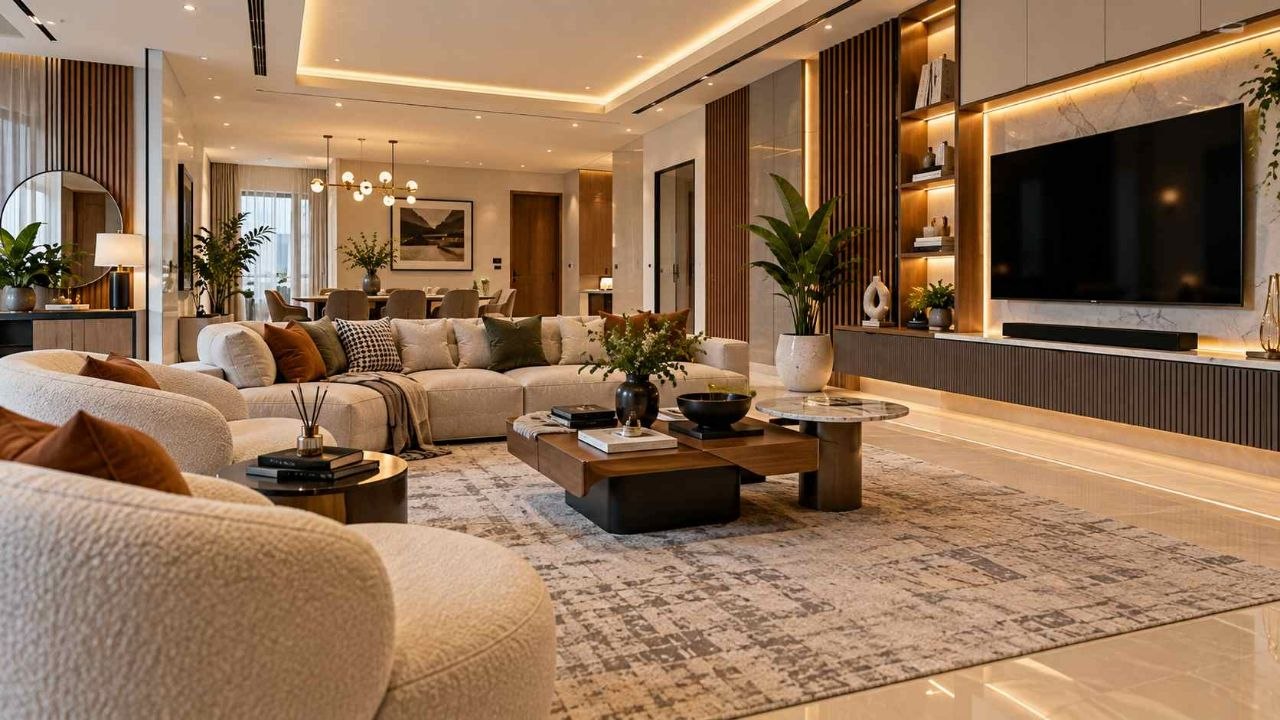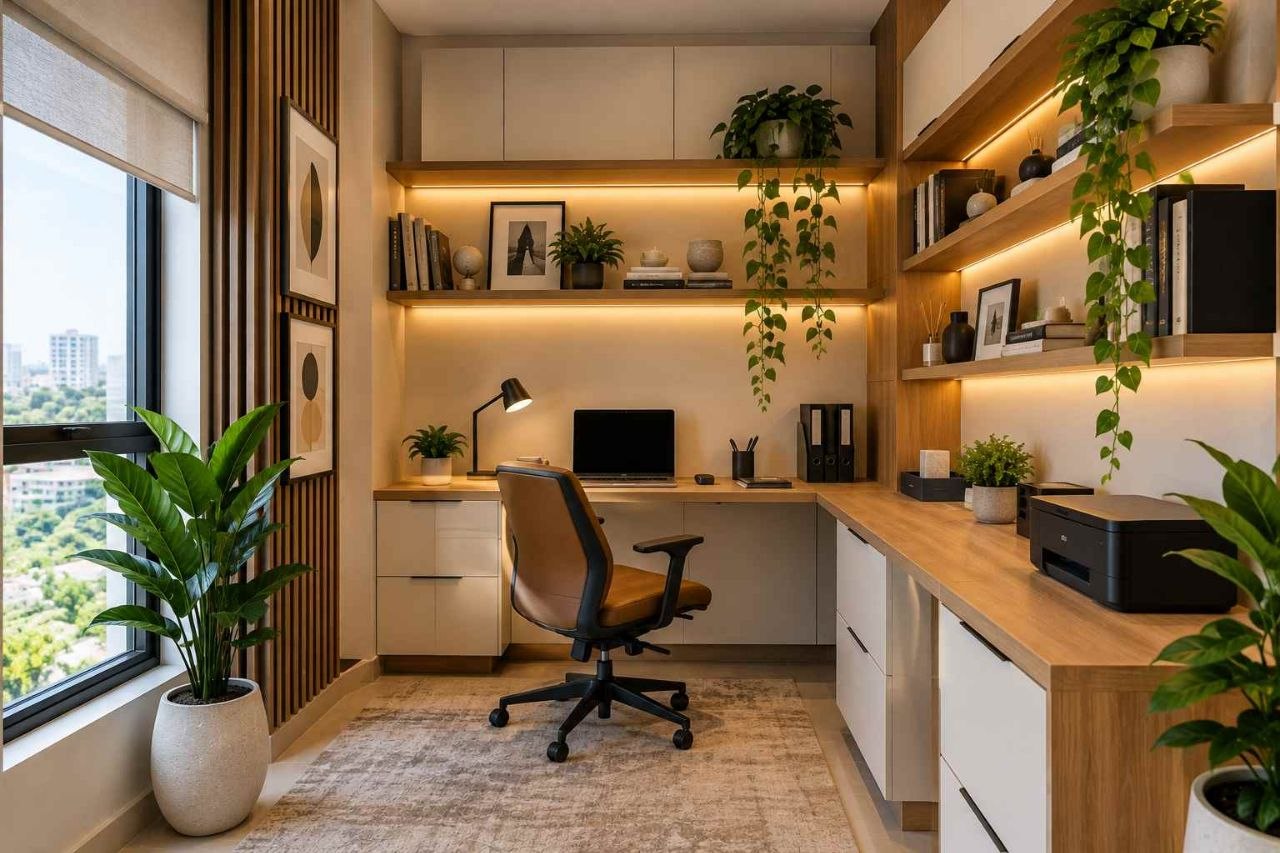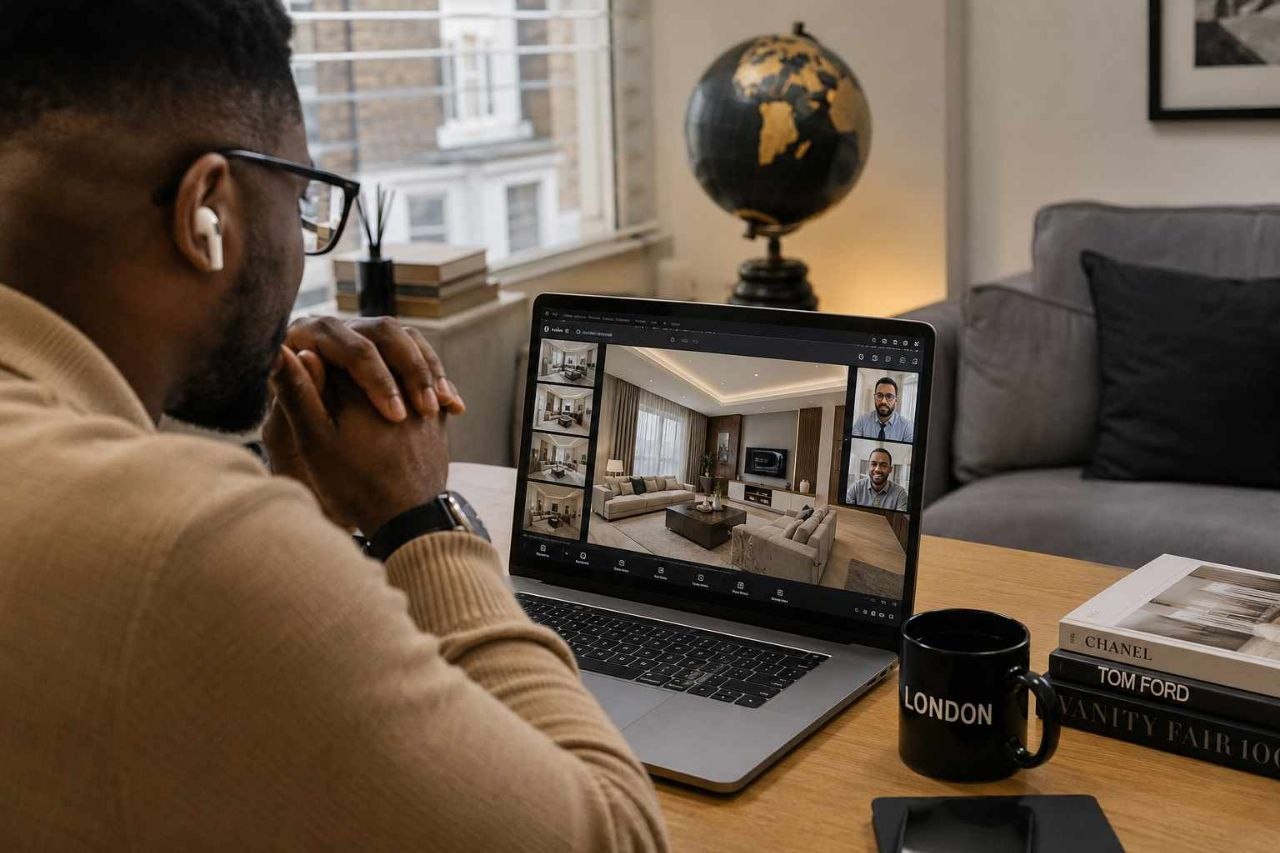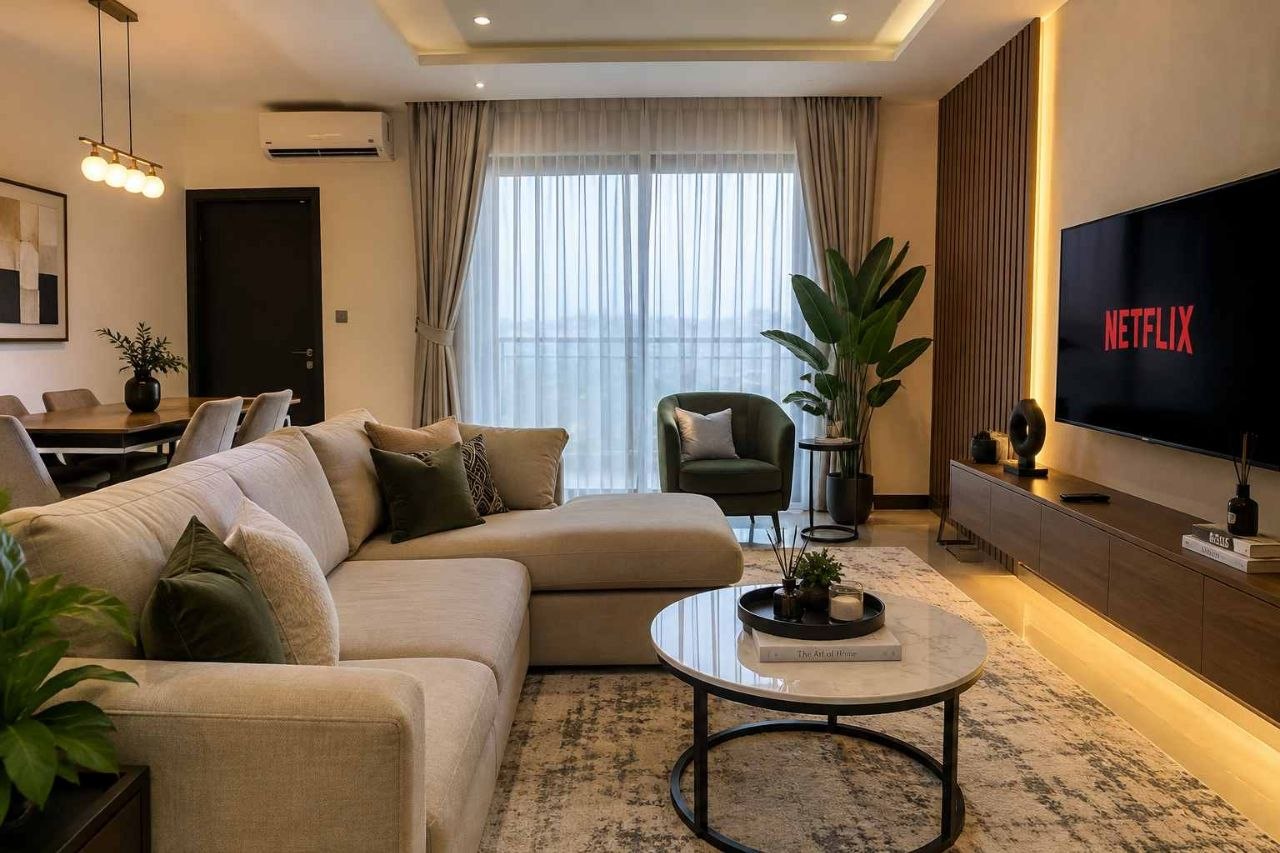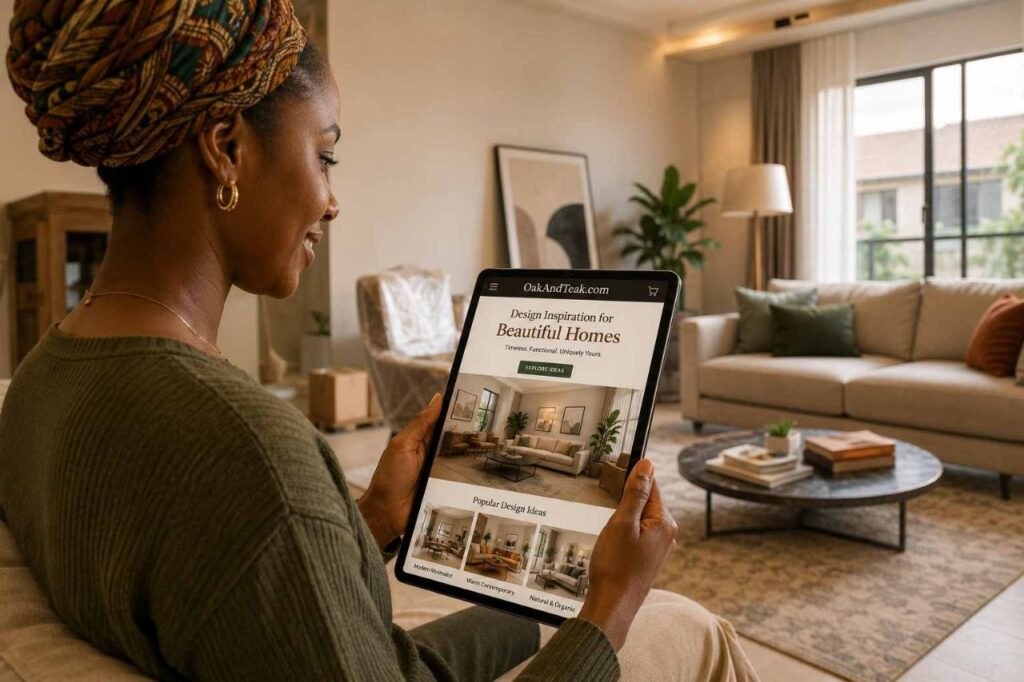
Have you ever walked into a room and instantly felt comfortable, relaxed, and at home, without knowing exactly why? Then walked into another space with expensive furniture, beautiful finishes, and all the right accessories, yet something still felt off. That difference is often the result of interior design.
Many people assume interior design is simply about decorating a space or choosing attractive furniture. Others believe it’s only for luxury homes, hotels, or people with large budgets. But if you’ve ever wondered, “What is interior design?” or “What is interior design and how does it work?”, you’re asking a question that goes far beyond colors, curtains, and cushions.
The truth is that interior design influences how we live, work, feel, and interact with the spaces around us every day. From space planning and lighting to functionality and comfort, interior design involves much more than most people realize. Yet many Nigerians still confuse interior design with interior decoration, or don’t fully understand exactly what an interior designer does.
Whether you’re redesigning your home, planning a new space, or simply looking to understand the meaning of interior design in Nigeria, this beginner-friendly guide will explain what interior design is, how it works in Nigeria, and why it plays such an important role in creating spaces that are both beautiful and functional.
What Is Interior Design? (Definition and Meaning)
Question:What is interior design?
Answer:Interior design is the art and science of planning, organizing, and enhancing interior spaces to make them more functional, safe, and visually pleasing for the people who use them.
Now that’s the textbook interior design definition, but here’s what it really means in practice. Interior design combines creativity with technical knowledge. It involves spatial planning, furniture layout, lighting, material selection, and color, all guided by how people actually live and move through a space.
It is not simply about making a room “look nice.” The interior design concept in Nigeria, like other places, is fundamentally about solving problems. A small living room may need to feel larger and more functional. Natural light should enter the space without compromising privacy. A kitchen should remain comfortable to use even during the Lagos heat. Good design answers these challenges before a single piece of furniture is bought.
Furthermore, understanding the meaning of interior design in Nigeria specifically matters because local context changes the equation. Nigerian homes deal with heat, humidity, dust, frequent entertaining of extended family, and increasingly, a desire to reflect both global trends and local identity. A good interior design overview for Nigerian homeowners has to account for all of this, not just imported Pinterest aesthetics.
Interior design has existed as a recognized profession globally for over a century, evolving from purely decorative work into a discipline that overlaps with architecture, psychology, and engineering. In Nigeria, the profession has grown rapidly over the past two decades, fuelled by urban development, an expanding real estate market, and a generation of homeowners who discovered design inspiration through platforms like Pinterest and Instagram long before they ever spoke to a designer.
Want To Know What Professional Interior Design Looks Like in Practice? Explore Our Interior Design Projects Or Book A Call With Us
What Does Interior Design Involve in Nigeria?
Question:What does interior design involve in Nigeria?
Answer:Interior design in Nigeria involves space planning, material and furniture selection, lighting design, color schemes, and coordinating the execution of a finished space adapted to the Nigerian climate, culture, and lifestyle.
So, what does interior design involve? In simple terms, it covers everything between an empty room and a fully finished, livable space:
- Space planning: Deciding how furniture, walkways, and functions are arranged within a room
- Material and furniture selection: Choosing pieces that fit the space, budget, and climate
- Lighting design: Layering natural and artificial light for mood and function
- Color and texture: Creating a cohesive visual identity throughout the home
- Project coordination: Working with contractors, suppliers, and tradespeople to bring the design to life
The role of interior design in Nigeria has grown significantly alongside the country’s expanding middle class, real estate development, and growing exposure to global design trends through social media. More Nigerians than ever are asking these questions before they move into a new home, not after.
What Does an Interior Designer Do, Exactly?
Question:What does an interior designer do exactly?
Answer:An interior designer translates a client’s needs, budget, and style preferences into a complete design plan, then manages sourcing, supervision, and execution until the finished space is ready.
If you’re wondering what an interior designer does in Nigeria on a day-to-day basis, here’s the honest answer: far more than picking pretty furniture, a designer typically:
- Holds an initial consultation to understand your lifestyle, budget, and goals
- Develops a design brief and concept direction
- Creates floor plans, mood boards, and material selections
- Sources furniture, fabrics, and finishes often at trade pricing that individuals can’t access
- Supervises installation and resolves issues that come up on-site
- Hands over the finished space and ensures everything matches the approved plan
If you want to see this process broken down stage by stage, including realistic timelines for each step, our complete guide to the interior design process in Nigeria walks through exactly what happens from the first meeting to final handover.
Thinking About Hiring an Interior Designer? Book A 30 Minutes Call With Our Team
How Does Interior Design Work? (The Basic Workflow)

Question:What is interior design, and how does it work?
Answer:Interior design works through a structured sequence: consultation, concept development, design development, sourcing, execution, and handover, with each stage building on the approvals from the one before it.
At a high level, how interior design works in Nigeria follows a logical sequence rather than happening all at once. A designer doesn’t simply show up and start arranging furniture. They first understand the brief, develop a concept, refine the details, source materials, and then execute and hand over the finished space.
This structure exists for a reason: skipping a step is like jumping straight to buying furniture without a plan, which is exactly how homeowners end up “paying twice” for mismatched pieces and costly do-overs. Each stage of the workflow exists to prevent that.
What Are the 7 Elements of Interior Design?
Question:What are the 7 elements of interior design?
Answer:The 7 elements of interior design are space, line, form, light, colour, texture, and pattern. Together, they form the foundation every interior designer uses to plan and evaluate a space.
Understanding these interior design elements and principles helps you see your own home the way a designer does:
- Space: The foundation of every project. Space planning in interior design is about how a room’s dimensions and layout are used.
- Line: Horizontal, vertical, and curved lines created by furniture, architecture, and deco, which guide the eye and shape the mood.
- Form: The shape and structure of objects within a room. Form and function in interior design must work together, not against each other.
- Light: Both natural and artificial. Lighting in interior design in Nigeria is especially important given how much natural light Nigerian homes typically receive.
- Color: Perhaps the most visible element. Color theory in interior design governs how shades affect mood, perceived space, and cohesion.
- Texture: How surfaces feel and look, from smooth marble to woven rattan. Texture in interior design adds depth that color alone can’t achieve.
- Pattern: Repeated visual motifs in fabric, tiles, or wallpaper that add personality and rhythm to a space.
Every well-designed room you’ve ever admired in Nigeria or anywhere else successfully balances all seven of these elements. Miss one, and something will feel “off,” even if you can’t immediately explain why.
What Is Interior Design Style? (Types of Interior Design in Nigeria)

Question:What is interior design style?
Answer:Interior design style is the overall visual identity and aesthetic direction of a space, shaped by colour choices, furniture shapes, materials, and cultural influences that work together consistently.
Once you understand the elements, the next layer is style. What is interior design style? Think of it as the personality of a room, the consistent thread that ties every choice together. Here are some of the most common types of interior design in Nigeria today:
- Modern / Contemporary: Clean lines, neutral palettes, minimal clutter
- Minimalist: “Less is more,” with a focus on function over decoration
- Traditional / Classic: Rich woods, ornate details, formal symmetry
- Industrial: Exposed materials like brick, metal, and concrete
- Scandinavian: Light woods, soft neutrals, cozy simplicity
- Afrocentric / African-Inspired: Bold patterns, earthy tones, and locally sourced art and textiles
- Luxury / Glam: Statement lighting, rich textures, and high-end finishes
Many Nigerian homes blend two or three of these styles rather than sticking rigidly to one, pairing modern furniture with Afrocentric art, for example. Want to see what these styles look like applied to real Nigerian homes? Browse Oak & Teak Interior’s project portfolio for inspiration across multiple styles and budgets.
Do You Want To Know Which Interior Design Style Fits Your Space? Get A Design Quote
What Are the Six Types of Interior Designers?
Question:What are the six types of interior designers?
Answer:The six main types of interior designers are residential, commercial, hospitality, sustainable/green, kitchen and bath, and universal (accessibility-focused) designers, each specializing in a different category of space.
Not every interior designer does the same kind of work. Here are the six types of interior designers you’re likely to come across:
- Residential Designer: Focuses on private homes, apartments, and personal living spaces
- Commercial Designer: Designs offices, retail stores, and business spaces for functionality and brand identity
- Hospitality Designer: Specializes in hotels, restaurants, and lounges where guest experience is central
- Sustainable / Green Designer: Prioritizes eco-friendly materials and energy-efficient design choices
- Kitchen & Bath Designer: Focuses specifically on the technical and aesthetic demands of kitchens and bathrooms
- Universal Designer: Designs spaces that are accessible and comfortable for people of all ages and abilities
Most homeowners only ever need a residential designer; it’s worth knowing these categories exist, especially if you’re designing a home office, a small business space, or a home that needs to accommodate aging family members.
Interior Design vs Interior Decoration: What’s the Difference?
Question:What is the difference between interior design and interior decoration?
Answer:Interior design focuses on the function, structure, and layout of a space, including space planning and lighting, while interior decoration focuses purely on surface-level aesthetics like furniture, color, and accessories.
This is one of the most common points of confusion, and it’s exactly what can trip most individuals up at the start of this guide. Interior design vs interior decoration isn’t just semantics; the two involve genuinely different skill sets.
| Aspect | Interior Design | Interior Decoration |
| Primary Focus | Function, layout, and structure | Aesthetics and styling |
| Scope of Work | Space planning, lighting plans, and structural input | Furniture, colour, accessories, soft furnishings |
| Typical Training | Formal training in spatial planning and design principles | No formal training is typically required |
| Example Task | Reconfiguring a layout for better flow and light | Selecting curtains and cushions for an existing layout |
In practice, many professionals blend both skill sets, but understanding interior decoration in Nigeria as a distinct (often narrower) discipline helps you ask for exactly what you need, whether that’s a full redesign or simply a styling refresh.
Why Is Interior Design Important in Nigeria?
Question:Why is interior design important in Nigeria?
Answer:Interior design is important in Nigeria because it improves how homes function in the local climate, supports cultural habits like entertaining extended family, increases property value, and contributes to occupants’ overall well-being.
Here’s what makes the importance of interior design in Nigeria especially relevant right now:
- Climate-responsive living: Thoughtful lighting, ventilation, and material choices make homes more comfortable in Nigeria’s heat and humidity.
- Cultural relevance: Nigerian homes often host large extended families and frequent guests, so good design plans for this from the start.
- Property value: A well-designed home, particularly in competitive rental and resale markets, commands stronger pricing.
- Wellbeing: A well-organized, intentional space genuinely affects how relaxed and “at home” people feel day to day.
There’s also a practical, overlooked reason interior design matters in Nigeria: it reduces decision fatigue. Without a plan, every purchase from a sofa, a rug, a light fixture becomes its own isolated decision, made under pressure and without context. With a design plan in place, each choice fits into a bigger picture, which is exactly why planned spaces tend to feel calmer and more put-together than spaces furnished piece by piece, item by item.
If you’re also wondering what this kind of expertise actually costs, our complete pricing guide breaks down interior design costs in Nigeria room by room, so you can budget realistically before you start.
How Do You Get Started With Interior Design as a Beginner?

Question:How do you get started with interior design as a beginner in Nigeria?
Answer:Start by identifying your preferred style, building a mood board, measuring and understanding your space, learning basic colour theory, and then deciding whether to DIY or bring in a professional designer.
If you’re just starting your interior design knowledge journey in Nigeria, here’s a simple, beginner-friendly path:
- Identify your style: Revisit Section 6 and notice which styles you keep gravitating toward.
- Build a mood board: A mood board in interior design, a collection of images, colors, and textures, helps you (and any designer you hire later) understand your vision clearly.
- Understand your space: Measure your rooms, note where natural light enters, and map how people actually move through the space.
- Learn basic color theory: Understanding how colors interact helps you avoid combinations that clash or feel chaotic.
- Decide: DIY or professional help: Small refreshes are often manageable solo; full-home projects usually benefit from professional guidance.
If you’re leaning toward hiring help, our complete guide on how to choose the right interior designer for your home walks you through the vetting process, the exact questions to ask, and the red flags to avoid before you commit any money.
Even at this beginner stage, having an understanding of interior design in Nigeria is exceptional. Homeowners rely on elements, style, and workflow, which puts you miles ahead of where most people start. You’ll ask better questions, set clearer expectations, and recognize good design when you see it.
Final Thoughts: Knowledge Is the First Step to a Home You Love
Now you understand what interior design is, how it works, the elements and styles behind it, and how interior design differs from simple decoration. That’s a real foundation, whether you’re planning to DIY a single room or hire a professional for your entire home.
Understanding the language of design is what turns “I hope this works” into “I know exactly what I want.”
Ready to bring your vision to life? book a free consultation with Oak & Teak Interior today, and let’s turn your vision into reality.
Frequently Asked Questions (FAQs)
Q: What is interior design?
A: Interior design is the art and science of planning, organizing, and enhancing interior spaces to make them more functional, safe, and visually pleasing for the people who use them.
Q: What is the difference between interior design and interior decoration?
A: Interior design focuses on function, layout, and structure, including space planning and lighting. Interior decoration focuses purely on surface-level aesthetics like furniture, color, and accessories.
Q: What does an interior designer do?
A: An interior designer holds consultations, develops a design brief, creates floor plans and material selections, sources furniture and finishes, and supervises execution through to final handover.
Q: What are the 7 elements of interior design?
A: The 7 elements of interior design are space, line, form, light, colour, texture, and pattern. Together, they form the foundation every designer uses to plan and evaluate a space.
Q: What are the six types of interior designers?
A: The six types are residential, commercial, hospitality, sustainable/green, kitchen and bath, and universal (accessibility-focused) designers, each specializing in a different category of space.
Q: Why is interior design important in Nigeria?
A: Interior design is important in Nigeria because it improves how homes function in the local climate, supports cultural habits like hosting extended family, increases property value, and improves daily well-being.
Q: How do I get started with interior design as a beginner?
A: Start by identifying your preferred style, building a mood board, measuring and understanding your space, learning basic colour theory, and then deciding whether to DIY or hire a professional designer.
Q: What is interior design style?
A: Interior design style is the overall visual identity of a space, shaped by consistent choices in color, furniture shapes, materials, and cultural influences such as modern, minimalist, or Afrocentric styles.